Common Mistakes Families Make When Helping a Loved One Enter Rehab
Avoid costly rehab mistakes with these wellness & self-care insights. Learn what families get wrong and how to truly support a loved one’s recovery journey.


Avoid costly rehab mistakes with these wellness & self-care insights. Learn what families get wrong and how to truly support a loved one’s recovery journey.
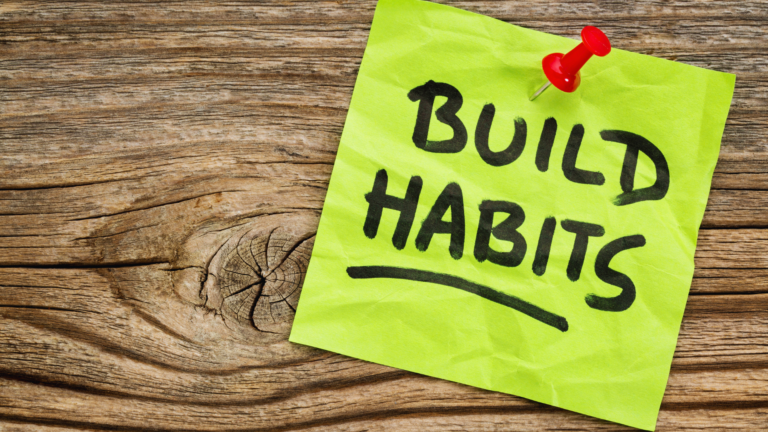
Developing better habits requires consistency and intentional action. The key to building lasting habits is starting small and making incremental changes that fit naturally into your daily routine. This approach makes new behaviors easier to maintain over time. Understanding the triggers and rewards tied to your current habits can help in designing effective replacements. Focusing…

Creating life goals clearly starts with defining what you truly want to achieve in specific, measurable terms. Without clarity, goals become vague ideas that are hard to pursue or track. The key to clear life goals is breaking them down into focused, achievable steps that align with your values and priorities. This structured approach ensures…

Mental toughness is the ability to stay focused, resilient, and composed under pressure. It plays a crucial role in overcoming challenges in both personal and professional life. To increase mental toughness, you must consistently practice self-discipline, embrace discomfort, and develop a mindset that views setbacks as learning opportunities. Building this skill requires intentional effort and…

Building emotional resilience means developing the ability to adapt to stress, recover from setbacks, and maintain a stable mindset during challenges. It involves practices like self-awareness, managing emotions, and fostering strong support networks. Resilience isn’t about avoiding difficulties but learning how to face them effectively. By strengthening emotional resilience, you improve your capacity to handle…

Organizing your life starts with setting clear priorities and creating simple systems to manage daily tasks. Breaking down your responsibilities into manageable steps and using tools like planners or apps can significantly improve your efficiency and reduce stress. Consistency plays a key role in staying organized. Developing habits that support regular review and adjustment of…

In today’s fast-paced world, the idea of doing nothing might sound lazy or unproductive. We’re conditioned to believe that constant activity equals progress, and rest is often seen as an indulgence rather than a necessity. But science tells a different story — rest is not only good for us, it’s essential for our physical health,…

Mental clarity is essential for making sound decisions, staying focused, and managing daily tasks effectively. Developing habits like regular exercise, mindful meditation, and maintaining a consistent sleep schedule can significantly improve mental clarity. These practices help reduce stress and enhance cognitive function. In addition to physical and mental self-care, organizing your environment and setting clear…

Many people believe self-care requires spending a lot of money, but it can be simple and inexpensive. Budget-friendly self-care routines use everyday items and small habits that improve well-being without breaking the bank. This approach keeps self-care accessible and sustainable. Self-care does not have to be complicated or costly to be effective. Simple practices like…

Daily habits shape overall happiness more than occasional big events. Small, consistent actions like practicing gratitude, staying active, and connecting with others contribute significantly to a balanced, positive mindset. Incorporating simple routines focused on mindfulness and self-care can steadily increase your daily happiness. Understanding which habits have the most impact allows for deliberate changes that…